Irit and Nuritእሪትና ኑሪት
Hararሐረር
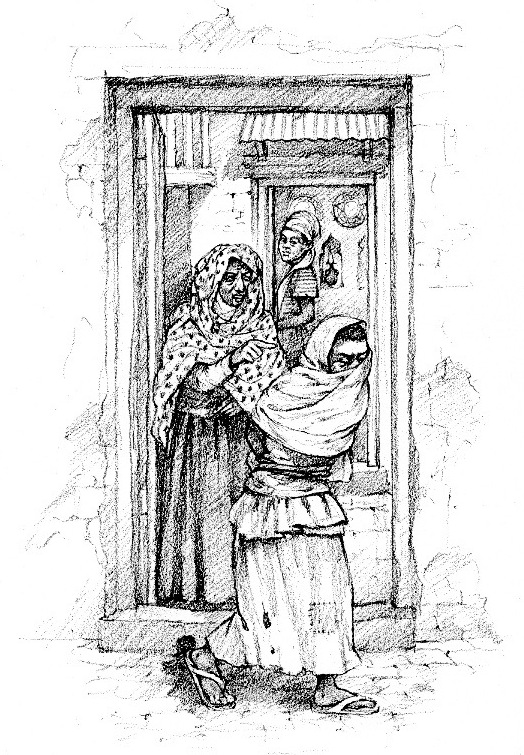
Narrated by Zaineba Abibeker Deremo
There were two girls called Irit and Nurit. Irit is clever and she has a father but no mother. Nurit is not clever. She is foolish. She has both parents.
Now they go to a garden together. They gather chat1 which they sell for themselves.
When they went to the market an old fairy man begged them to give him chat and said if they gave it he would bless them. Irit gave it to him.
She said, “Grandfather, it is good chat. Let it be good for you.”
He begged again to Nurit for some chat.
She said, “It is not chat, it is cabbage.”
So he cursed her, “Go! Let it be a cabbage!”
She tried and tried to sell her chat but she couldn’t sell it. And Irit could not sell hers either because of this curse.
Irit’s mother was angry, so she tied her up and threw her in the road. The one person saw her, and he was a holy, charitable person.
“What happened to you? May I take you to my house?” he said.
She said, “Yes. OK.”
And she started living with him.
The charitable man was going to sleep and before he slept he said, “When you see black water, don’t wake me up. When golden water comes, wake me up.”
Then he slept.
Black water came but she didn’t wake him up. Golden water came and she woke him up. Then he put her into the golden water and called the wind.
“Put her on her father’s roof!” he said.
After that, the foolish one, when she woke up in the morning to sweep the house, she saw the saliva which Irit had spit out and it was gold.
Then Nurit says, “Mother! I got some gold!”
Mother says, “Put it in a jar.”
Then again Irit spits out saliva and again Nurit said, “I’ve got gold.” Then Nurit looked upwards and saw Irit.
She called to her mother, “Mother, it is our Irit who is on the roof.”
Nurit’s mother says, “Which Irit? The one who has been eaten by the hyena?” (because she assumed that is what had happened to her.)
Then Nurit asked Irit, “How did you get this gift, to change your spit to gold?”
Irit tells her about the old man, but she changed the story.
She said, “You go to that old man and when he asks you where he can eat his lunch, tell him he can eat from the ground. Again, when he asks where he can pee, say he can pee on the ground. Then when he sleeps, wake him when the black water comes.”
So Nurit was happy and said, “OK” and woke him when the black water came. So he put her in the black water and called the wind and told the wind to take the girl to her mother’s kitchen and put her under her mother’s injera pan which is all black. [Injera is a flat, round bread usually made from tef, a grain cultivated in the highlands of Ethiopia.] In the morning her mother came in the kitchen and was about to light the fire when she saw something under the pan.
She thought it was a cat, and she shouted at it, “Pss! Go out of the house,” and she cursed it.
And Nurit said, “Mother, it’s me! Nurit!”
So the mother took her and hid her because she had become completely black.
Then a man comes to ask for Irit’s hand in marriage. When the mother discovers this, she takes Irit and gives her to a python.
The python swallows her and when the bridegroom and his best man came to the house the python comes up to them both and says, “I will give you a very beautiful and wise girl. If I give you this girl, what will you do for me?”
They say, “We will give you anything that you want.”
So the python spits Irit out.
So the bridegroom and best man took Irit and married her, but they cut out Nurit’s tongue because she told lies and they made her grind hot pepper in the kitchen.
The moral is: the one who doesn’t wish good things for other people will always end up like this.
እሪትና ኑሪት
በዘይነባ አቢበከር ደረሞ የተተረከ
እሪትና ኑሪት የሚባሉ ሁለት ልጃገረዶች ነበሩ፡፡ እሪት ጎበዝ ስትሆን አባት እንጂ እናት የላትም፡፡ ኑሪት ጎበዝ አይደለችም፡፡ ኑሪት ሞኝ ብትሆንም ሁለቱም ወላጆቿ ግን አሉ፡፡ ታዲያ ሁለቱ ልጃገረዶች አብረው ወደጓሮ እየሄዱ የሚሸጡትን ጫት1 ይለቅማሉ፡፡
ወደ ገበያ ሲሄዱ አንድ አስማተኛ ሽማግሌ ጫት እንዲሰጡት ለምኗቸው ከሰጡት እንደሚመርቃቸው ነገራቸው፡፡ እሪትም “አያቴ ሆይ ጥሩ ጫት ነው፤ ጥሩ ይሆንልዎ፡፡” ብላ ሰጠችው፡፡
ሽማግሌው ኑሪትንም ትንሽ ጫት እንድትሰጠው ለመናት፡፡
እሷም “ጫት አይደለም፣ ጎመን ነው፡፡” አለችው፡፡
እሱም “በይ ሂጂ፣ ጫቱም ጎመን ይሁን፡፡” ብሎ ረገማት፡፡
ጫቷንም ልትሸጥ ደጋግማ ብትሞክርም መሸጥ አልቻለችም፡፡ በእርግማኑ ምክንያት ኑሪትም የራሷን ጫት መሸጥ አልቻለችም፡፡ የኑሪት እናት በጣም ተበሳጭታ ስለነበር እሪትን አስራት ከመንገድ ላይ ጣለቻት፡፡ በዚህን ጊዜ አንድ የተቀደሰ በጎ አድራጊ ሰው አያት፡፡
ሰውየውም “ምን ሆነሽ ነው? ወደ ቤቴ ልውሰድሽ?” ብሎ ጠየቃት፡፡
እሷም “አዎ እሺ” ብላ ከእርሱ ጋር በመሄድ አብራው መኖር ጀመረች፡፡ በጎ አድራጊው ሰው ሊተኛ ሲል እሪትን “ጥቁር ውሃ ካየሽ አታስነሺኝ፣ ወርቃማ ውሃ ከመጣ ግን ቀስቅሺኝ፡፡” ብሏት ተኛ፡፡
ጥቁር ውሃ በመጣ ጊዜ እሪት አልቀሰቀሰችውም፡፡ ወርቃማ ውሃ ሲመጣ ግን ቀሰቀሰችው፡፡ እሱም ወርቃማ ውሃ ውስጥ አስቀምጧት ንፋሱን ጠራው፡፡
እንዲህም ብሎ አዘዘው “ከአባቷ ጣሪያ ላይ አስቀምጣት፡፡”
ከዚያ በኋላ ሞኟ ኑሪት ጠዋት ከእንቅልፏ ነቅታ ቤቱን ስትጠርግ እሪት የተፋችውን ምራቅ አየች፡፡ እሱም ወርቅ ነበር፡፡
ከዚያም ለእናቷ “እማዬ ወርቅ አገኘሁ፡፡” አለቻት፡፡
እናቷም “ጠርሙስ ውስጥ አስቀምጪው” አለቻት፡፡ አሁንም እሪት ትንሽ ምራቅ ስትተፋ ኑሪት “አሁንም ወርቅ አገኘሁ፡፡” ብላ ተናገረች፡፡ ቀና ብላ ስትመለከትም እሪትን አየቻት፡፡ እናቷንም ጠርታ “እማዬ የኛው እሪት ናት ጣሪያው ላይ ያለችው፡፡” አለቻት፡፡
የኑሪትም እናት “የቷ እሪት? በጅብ የተበላችው?” ብላ ጠየቀቻት፡፡ (ምክንያቱም እሪትን ጅብ በልቷታል ብላ ታስብ ነበር፡፡)
ከዚያ ኑሪት እሪትን “ይህን ምራቅ ወደ ወርቅነት የሚያስቀይር ስጦታ እንዴት ልታገኚ ቻልሽ?” ብላ ጠየቀቻት፡፡
እሪትም ስለ ሽማግሌው ሰው በማውሳት ታሪኩን ቀይራ ነገረቻት፡፡ እንዲህም አለቻት “ወደ እዚህ ሽማግሌ ሰው ሄደሽ ምሳውን የት መብላት እንደሚችል ሲጠይቅሽ ከመሬት ብላ በይው፡፡ እንደገናም ሽንቱን የት መሽናት እንደሚችል ሲጠይቅሽ ደግሞ መሬት ላይ ሽና በይው፡፡ በተኛም ጊዜ ጥቁሩ ውሃ ሲመጣ ቀስቅሺው፡፡”
ኑሪትም በዚህ ተደስታ እሺ በማለት ጥቁሩ ውሃ ሲመጣ ቀሰቀሰችው፡፡ በዚህን ጊዜ ሽማግሌው ጥቁሩ ውሃ ውስጥ አስቀምጧት ንፋሱን በመጥራት ልጅቷን ወደ እናቷ ማድቤት ወስዶ ከእናቷ ምጣድ ሥር ጥላሸቱ ውስጥ እንዲያስቀምጣት አዘዘው፡፡ በማግስቱ ጠዋት እናቷ ወደማድቤቱ ገብታ እሳት ልታያይዝ ስትል አንዳች ነገር ከምጣዱ ሥር አየች፡፡
ያየችው ነገር ድመት መስሏት “ክፍ ውጪ ከዚህ ቤት” ብላ ተቆጣቻት፡፡
በዚህ ጊዜ ኑሪት “እማ፣ እኔ ኑሪት ነኝ እኮ፡፡” አለቻት፡፡
ከዚያ እናቷ ከምጣዱ ስር አውጥታ በጣም ጥቁር ስለሆነች ደበቀቻት፡፡
አንድ ሰው መጥቶ እሪትን ሊያገባት በጠየቀ ጊዜ የኑሪት እናት ይህንን ስትሰማ እሪትን ወስዳ ለዘንዶ ሰጠቻት፡፡
ዘንዶውም እሪትን ውጧት ሙሽራውና ሚዜዎቹ በመጡ ጊዜ ዘንዶው ወደ እነርሱ መጥቶ “በጣም ውብና ብልህ ልጃገረድ ብሰጣችሁ ለእኔ ምን ታደርጉልኛላችሁ?” ብሎ ጠየቃቸው፡፡
እነርሱም “የምትፈልገውን ነገር ሁሉ እንሰጥሃለን፡፡” አሉት፡፡ በዚህ ጊዜ ዘንዶው እሪትን ተፋት፡፡ ሙሽራውና ሚዜዎቹም እሪትን ወስደው ተጋቡ፡፡ ነገር ግን ኑሪት ውሸታም ስለሆነች ምላሷን ቆርጠው ማድቤት ውስጥ በርበሬ እንድትፈጭ አደረጓት፡፡
የዚህ ታሪክ መልዕክት ለሌላው ሰው ጥሩ ነገር የማይመኝ ሰው መጨረሻው ሁልጊዜ እንደዚህ ነው የሚል ነው፡፡
In the original voice — hear tales from Hararሐረር, told in Harari. Listen ›